






Nestled about 100 kilometers south of Hanoi, Ninh Binh is one of Vietnam’s most breathtaking destinations. Often referred to as “Ha Long Bay on land,” this peaceful province is famous for its dramatic limestone karsts, emerald rice fields, winding rivers, and ancient temples. While many travelers rush to crowded hotspots, those who venture to Ninh Binh discover a place where nature, culture, and history blend beautifully.
If you’re planning a trip to Vietnam, Ninh Binh is a hidden natural wonder you truly shouldn’t miss.
A Landscape That Feels Almost Unreal
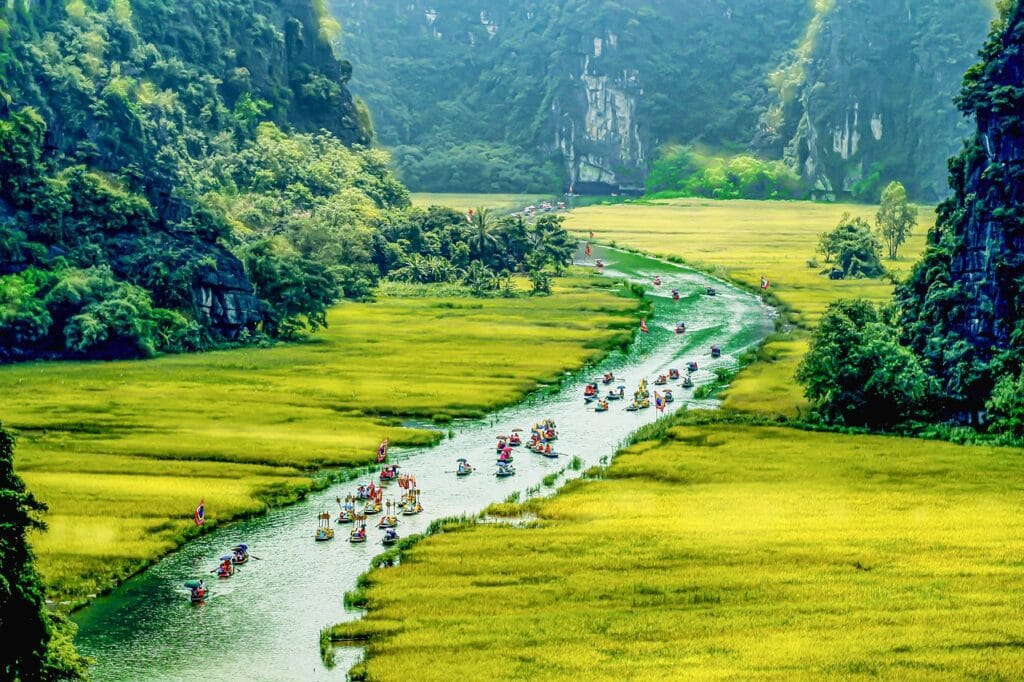
One of the most striking things about Ninh Binh is its otherworldly scenery. Towering limestone mountains rise dramatically from flat valleys filled with rice paddies and rivers.
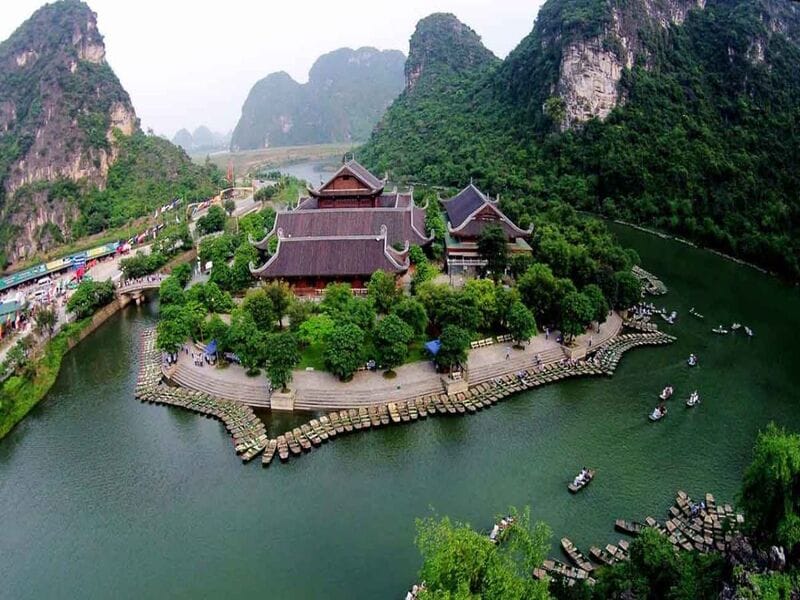
The most iconic area is Trang An Scenic Landscape Complex, a UNESCO World Heritage Site known for its network of caves, rivers, and lush jungle-covered karsts. Visitors can take a traditional sampan boat ride through narrow waterways, passing under cave tunnels and alongside ancient temples hidden in the cliffs.
Nearby, Tam Coc offers another unforgettable boat journey. As local rowers guide small boats along the Ngo Dong River, travelers glide past golden rice fields and through natural cave arches carved by centuries of flowing water.
Step Back in Time at Vietnam’s Ancient Capital
Beyond its natural beauty, Ninh Binh also holds a deep historical significance. The region was once home to the ancient capital of Vietnam, located at Hoa Lu Ancient Capital.
Dating back to the 10th century, Hoa Lu served as the political center during the reigns of Đinh Bộ Lĩnh and Lê Đại Hành. Today, visitors can explore beautifully preserved temples dedicated to these emperors, surrounded by limestone mountains that once served as natural fortifications.
Walking through this historic site offers a fascinating glimpse into Vietnam’s early dynasties and cultural heritage.
The Iconic View from Mua Cave
For those seeking a panoramic view of Ninh Binh’s landscapes, the climb to Mua Cave is a must.
After ascending nearly 500 stone steps, visitors are rewarded with a spectacular viewpoint overlooking Tam Coc’s winding river and patchwork rice fields. At the summit sits a stone dragon sculpture perched dramatically on the mountain ridge, making it one of the most photographed spots in the region.
The climb can be challenging, but the view at the top is absolutely worth it.
Peaceful Temples and Spiritual Atmosphere
Ninh Binh is also known for its spiritual sites, the most famous being Bai Dinh Temple. This massive Buddhist complex is one of the largest temple sites in Southeast Asia.
Here, visitors can explore towering pagodas, giant Buddha statues, and long corridors lined with hundreds of stone arhats. The temple’s tranquil atmosphere makes it an ideal place to experience Vietnam’s spiritual traditions while enjoying beautiful mountain surroundings.
When Is the Best Time to Visit?
Ninh Binh is beautiful year-round, but the best time to visit is typically:
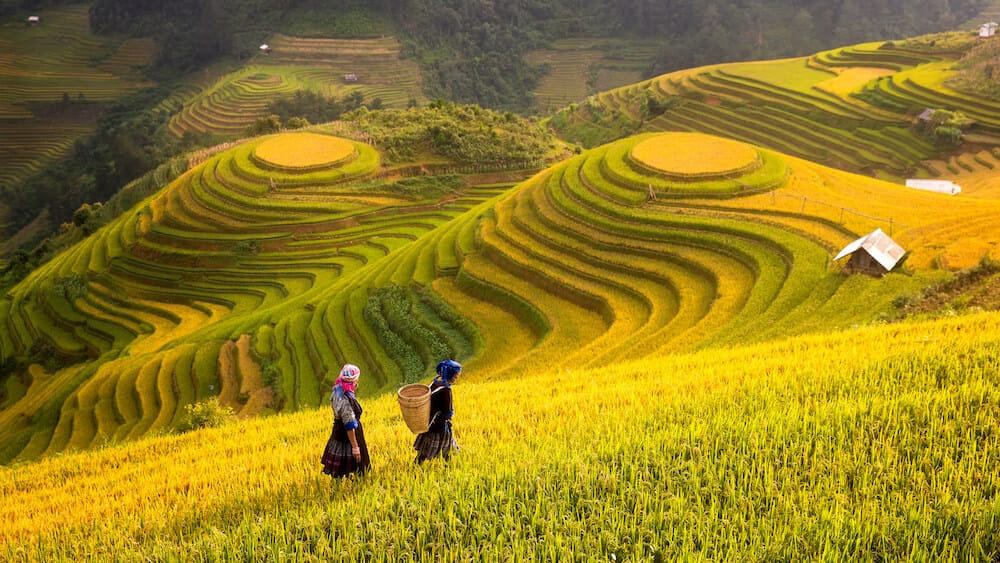
- May – June: Rice fields turn vibrant golden during harvest season.
- September – October: Pleasant weather and lush green landscapes.
- Spring (February – April): Cool temperatures and festival season.
During these months, the scenery is at its most photogenic and the weather is ideal for outdoor exploration.
Why Ninh Binh Should Be on Your Travel List
While destinations like Ha Long Bay often steal the spotlight, Ninh Binh offers a more peaceful and immersive experience. Here you can glide through quiet rivers, climb scenic mountains, explore ancient temples, and connect with Vietnam’s rich history—all within a single destination.
For travelers seeking authentic landscapes and unforgettable views, Ninh Binh truly stands out as one of Vietnam’s hidden natural wonders.