
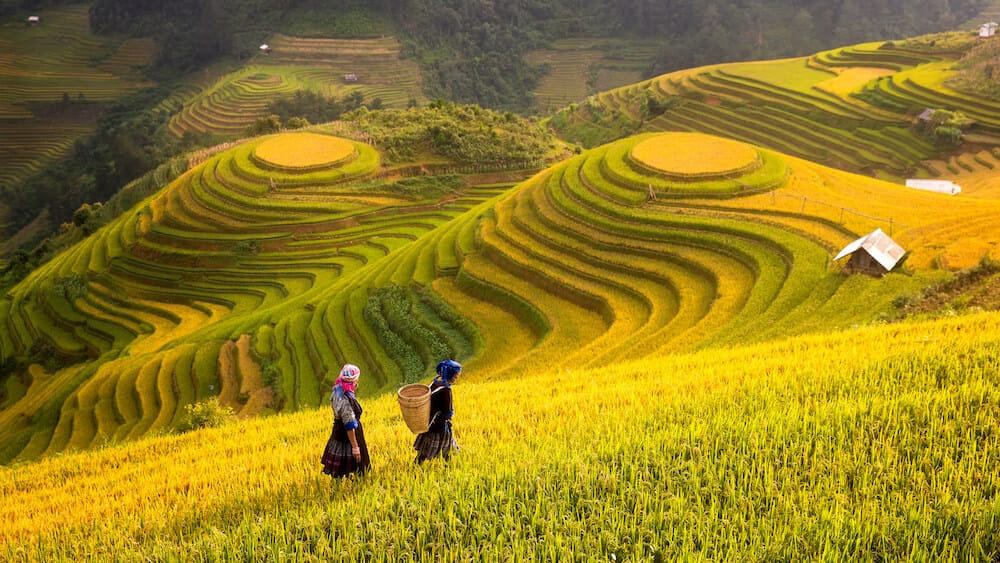





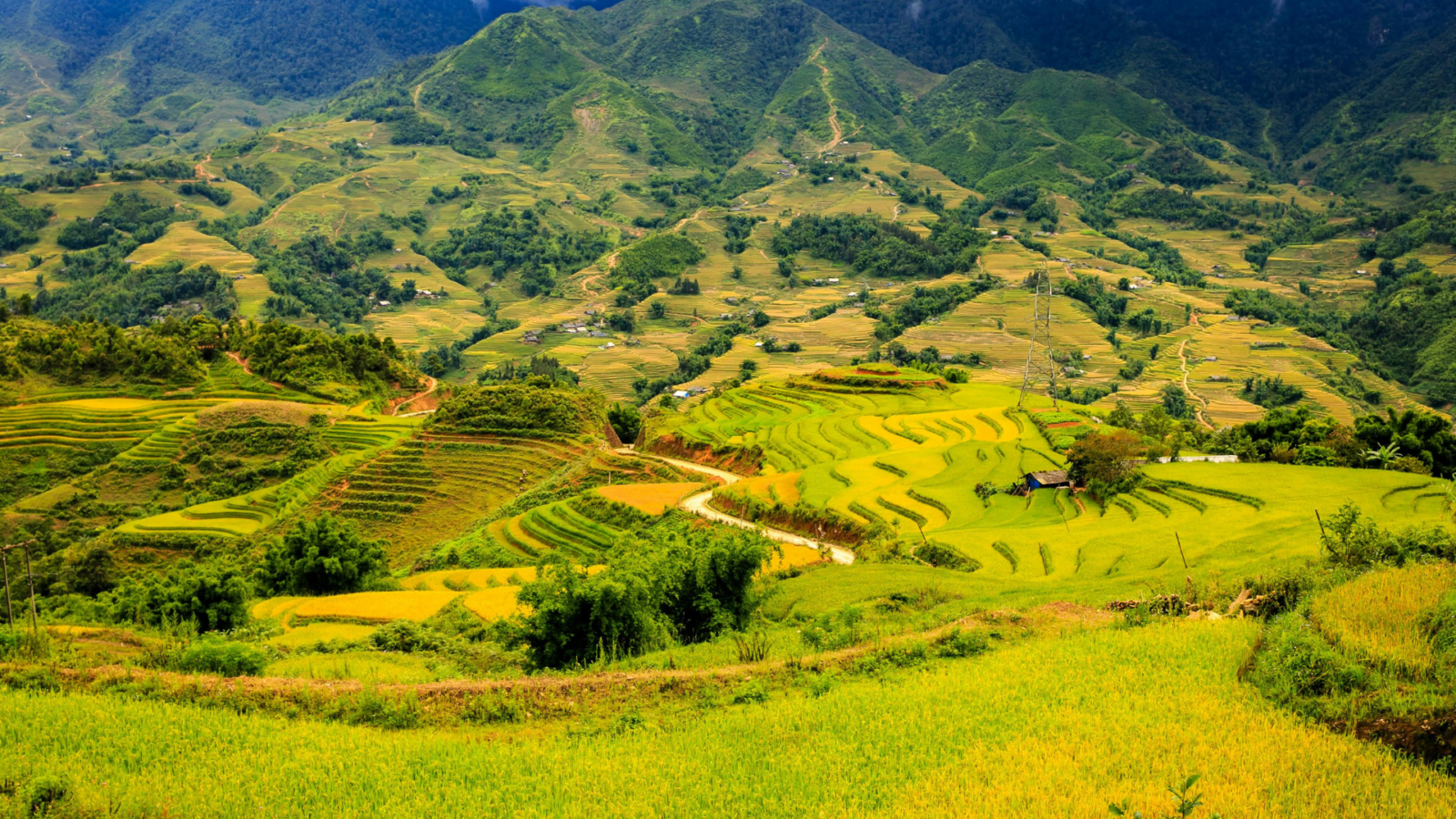
Sa Pa has long been one of the most famous travel destinations in northern Vietnam. Known for its breathtaking rice terraces, cool climate, and rich ethnic culture, Sapa attracts thousands of travelers every year. The town sits high in the mountains near the Chinese border, offering stunning views of valleys covered in green fields and misty hills.
One of the main highlights of Sapa is the opportunity to trek through traditional villages and learn about the lifestyles of ethnic minority groups such as the H’Mong and Dao people. Visitors can explore villages like Cat Cat or Ta Van, where locals still maintain traditional clothing and farming practices.
Sapa is also home to Fansipan, often called the “Roof of Indochina.” Standing at 3,147 meters above sea level, Fansipan is the highest peak in Vietnam. Today, travelers can reach the summit via a modern cable car system that provides incredible views of the surrounding mountains.
The town itself is well developed for tourism, with plenty of hotels, restaurants, cafés, and tour services available. This makes Sapa an excellent destination for travelers who want both natural beauty and convenient travel infrastructure.

On the other hand, Hà Giang offers a completely different experience. Located further north, Ha Giang is known for its dramatic landscapes and adventurous travel routes. Unlike Sapa, Ha Giang remains relatively untouched by mass tourism, making it ideal for travelers who prefer raw nature and authentic local culture.
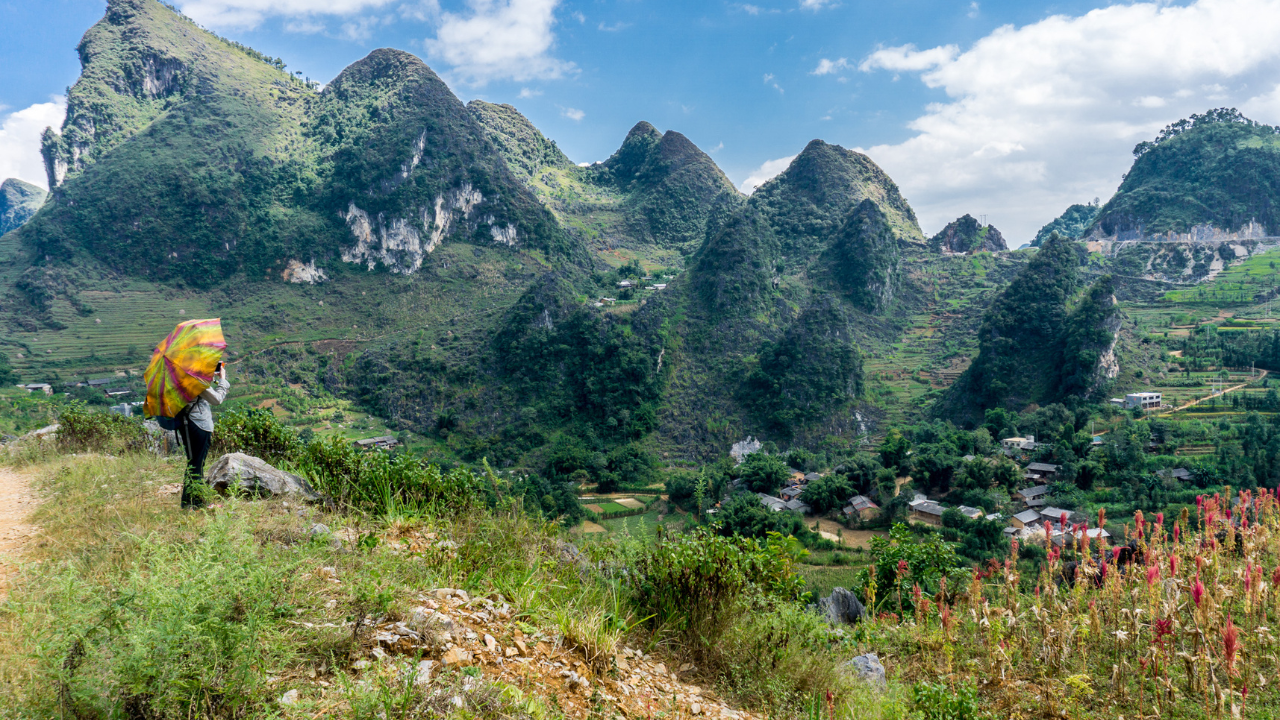
The most famous attraction in the region is the Ha Giang Loop, a scenic motorbike route that winds through some of the most impressive mountain landscapes in Southeast Asia. The journey takes travelers through remote villages, steep mountain passes, and breathtaking viewpoints.
The highlight of the loop is the spectacular Đèo Mã Pí Lèng. From this mountain pass, visitors can see the deep canyon carved by the emerald waters of the Nho Que River far below. The view is often considered one of the most dramatic landscapes in Vietnam.
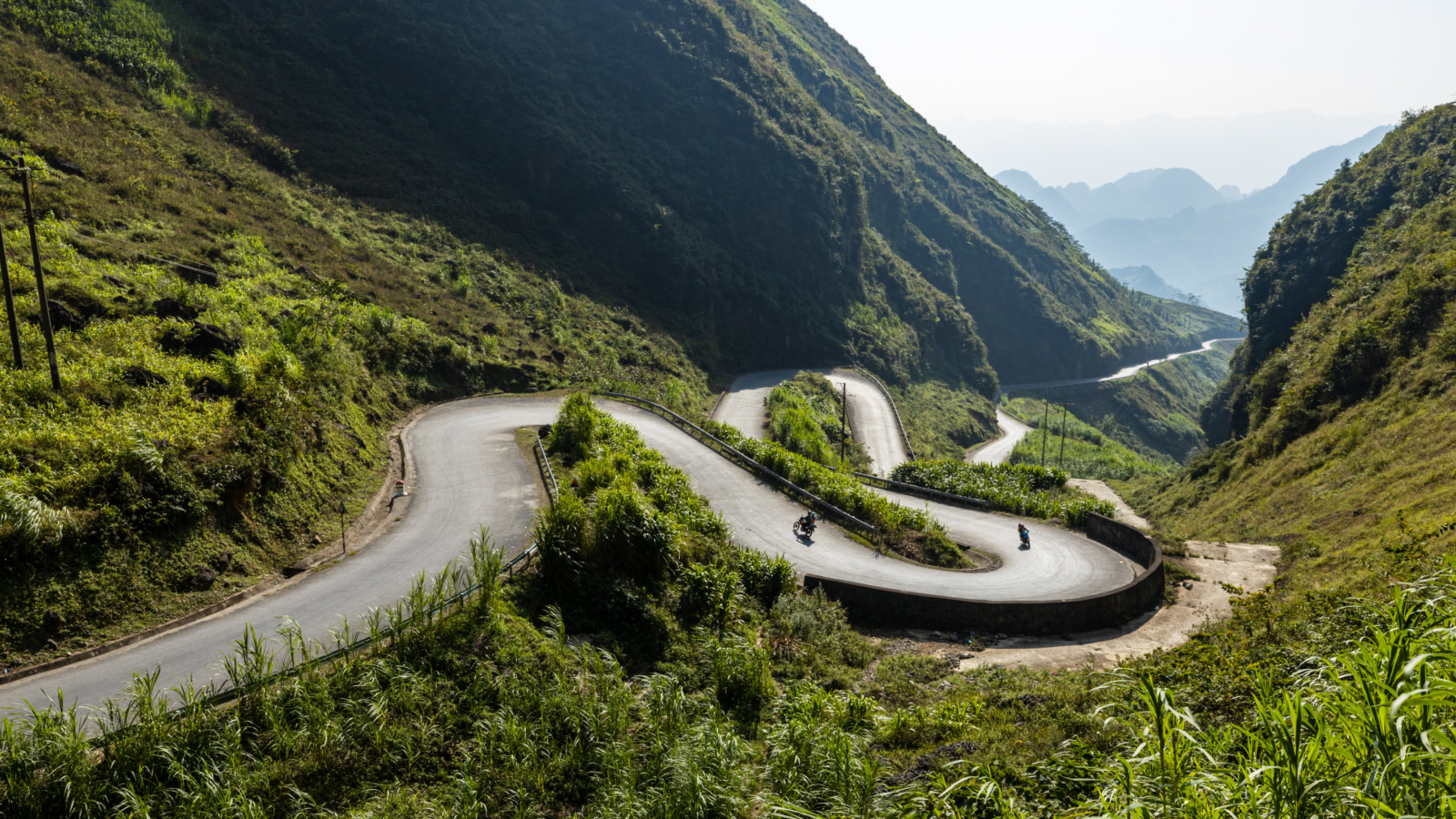
Because tourism here is less developed, visiting Ha Giang often feels more adventurous. Many travelers rent motorbikes or join guided tours to explore the region. Homestays in local villages provide an opportunity to connect with ethnic communities and experience traditional mountain life.
Key Differences Between Sapa and Ha Giang
While both destinations offer stunning mountain scenery and cultural experiences, they appeal to different types of travelers.
Accessibility:
Sapa is easier to reach. Travelers can take a train or bus from Hanoi directly to the town. Ha Giang requires a longer journey and usually involves riding motorbikes through mountain roads.
Tourism Development:
Sapa is more developed, with many hotels and restaurants. Ha Giang is more remote and offers a more authentic, less crowded experience.
Activities:
Sapa is famous for trekking and visiting villages. Ha Giang is best known for motorbike adventures and scenic road trips.
Landscape Style:
Sapa features lush rice terraces and misty valleys, while Ha Giang is known for dramatic limestone mountains and deep canyons.
Which Destination Should You Choose?
The choice between Sapa and Ha Giang depends on the type of travel experience you want.
If you prefer comfortable travel, scenic trekking routes, and well-developed tourist services, Sapa may be the better option. The town offers beautiful landscapes and cultural experiences while still providing modern conveniences.
However, if you are looking for adventure, breathtaking mountain passes, and a more authentic exploration of northern Vietnam, Ha Giang is the perfect destination. The landscapes are wilder, the roads are more exciting, and the experience often feels more rewarding.
In the end, both destinations are incredible in their own way. If possible, many travelers choose to visit both to fully experience the diverse beauty of northern Vietnam.